Precision analog supply for instrument builds.
For calibration-instrument, sensor-interface and industrial I/O manufacturers buying approved references, amplifiers and signal-conditioning ICs. Keep the exact grade and your measurement requirements attached to the order.
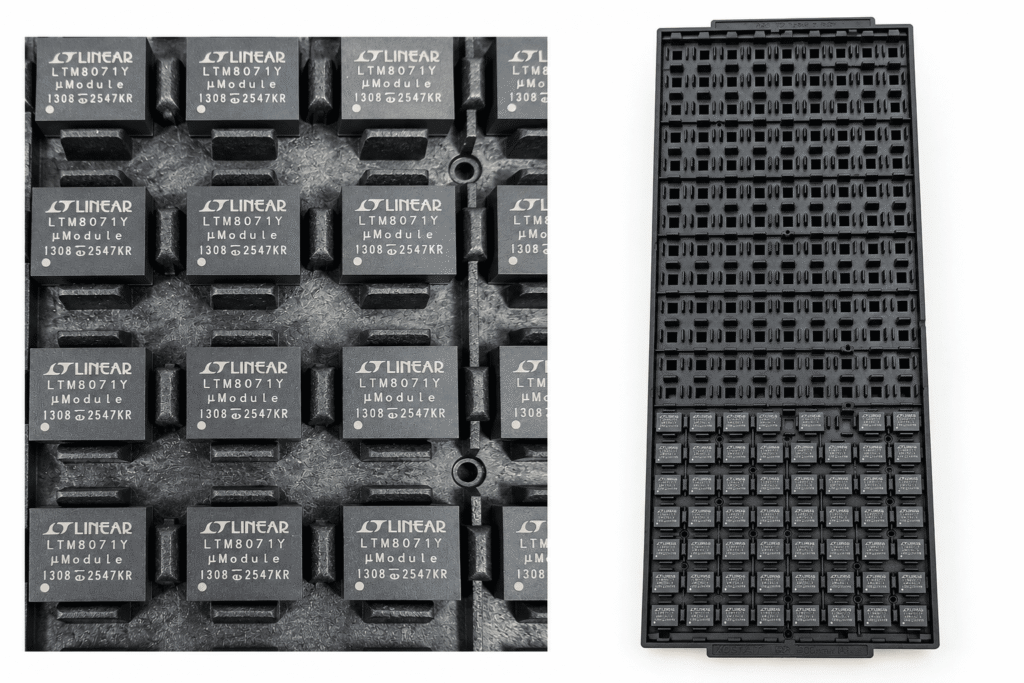
Protect the measurement your customer relies on.
A visually similar analog device may not preserve the instrument performance you qualified. Purchasing needs the exact approved line and a clear route for engineering to assess any proposed alternative.
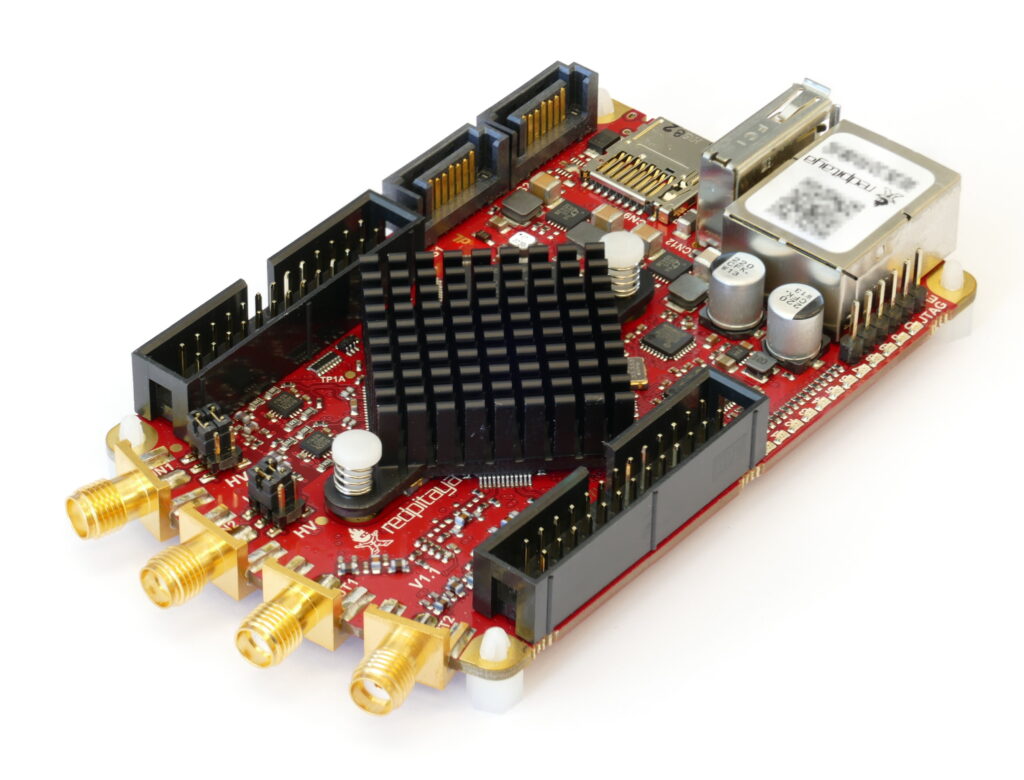
- Calibration and measurement instruments
- Retain the reference accuracy or drift grade and the approved amplifier option. Add the calibration conditions if incoming electrical measurements are required.
- Sensor and acquisition front ends
- Keep the input range, gain configuration and downstream converter requirement in the test brief. A functional check should answer the actual circuit question.
- Industrial analog I/O modules
- Identify the approved loop transmitter, reference, amplifier or isolation line separately. Agree source and lot acceptance before the assembler receives it.
Bring a requirement your purchasing team can release.
Send the full MPN and grade, quantity, board or instrument revision and required arrival date. For ADI and TI lines, keep any approved alternatives and their acceptance limits explicit.
We review our own inventory and established supply relationships for the exact requirement. Source records, sample inspection and release criteria are agreed for the offered lot.
Send the approved BOM and acceptance requirementsTechnical context: ADI precision DAQ supporting circuitry · TI data-acquisition signal-chain resources.
Start with your approved part numbers
Voltage references and operational amplifiers serve different roles in a signal chain. A familiar nominal value, package or family name is not enough to approve a substitute.
For production enquiries, include the exact device and the limits your engineering team uses for acceptance. ADCs and DACs have their own data-converter procurement guide, so each requirement has one clear primary category.
Turn the BOM line into an acceptance requirement.
Fix the device identity before comparing the proposed lots.
Send the full MPN and grade, quantity, board or instrument revision and required arrival date. For ADI and TI lines, keep any approved alternatives and their acceptance limits explicit.
| Check | Why it matters | What to send |
|---|---|---|
| Function and ordering code | A reference and an amplifier cannot be treated as the same procurement item. | Provide the manufacturer and complete MPN. |
| Grade and package | Offset, drift or other limits may differ across ordering options. | Refer to the exact model table and approved datasheet revision. |
| Measurement conditions | Precision claims need appropriate conditions and test capability. | Specify limits, temperature conditions and sampling required. |
| Carrier and lot acceptance | The catalogue ordering option differs from actual lot packaging. | State reel or tube preference, quantity and date-code restrictions. |
Agree the evidence before release.
Define what needs to be verified before the order.
Top marking, lead or ball condition and source records support a lot review. They do not measure converter linearity, reference drift or amplifier performance.
If those properties determine acceptance, specify the relevant limits, test conditions, fixture and calibration requirements. Confirm feasibility and sampling before shipment, and name the engineering owner who reviews exceptions.
Inspection methods & laboratoriesSource documentation & traceability
Manufacturer references
Use the original technical documents to check device identity. These links are not an indication of authorization or current stock.
Analog Devices product portfolioLocate the official reference or amplifier datasheet for the exact device.Manufacturer website · opens a new tabPurchasing content reviewed 2026-11-26.
Continue with the approved device.
Follow the exact part or series, then send the build requirement.
Use the existing part and series pages for model-specific ordering and label information. For an unlisted requirement, send the complete code and your purchasing conditions through the RFQ.
Before you enquire
Who should approve a different device or grade?
Your engineering or approved-component owner should authorize the change in writing. Purchasing can then compare supply for that specific approved alternative; a family match alone is insufficient.
What should an EMS buyer include with the RFQ?
Include the complete manufacturer code, released BOM revision, quantity, required arrival date and receiving rules. Name who approves the source, inspection findings and any deviation before the lot is released.
Related shipment records.
View the actual components, ordering details and inspection options, then send your stock requirement.
Bring us your exact requirement.
Send the complete part number, BOM revision, quantity and required arrival date. Include who approves the source and the acceptance evidence your receiving team needs.